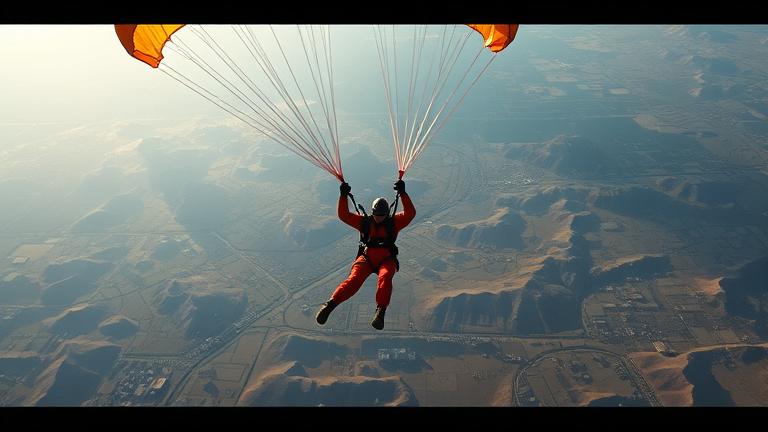
Something went terribly wrong at Eloy drop zone.
Incident in Eloy: What We Know So Far
As many of you may have heard, there was an incident at the Eloy drop zone over the weekend. Details are still sketchy, but we've managed to gather some information from various sources. The USPA's lack of transparency when it comes to incident reports is nothing new, so we're relying on the skydiving community to piece together what happened.
The incident occurred on a routine jump, with the individual involved experiencing a malfunction above 2,000 feet. Witnesses report that the skydiver attempted to deploy their reserve, but it didn't quite go as planned. The opening shock was reportedly severe, and the skydiver was forced to ride it out until landing. Fortunately, the individual walked away with only minor injuries, but the incident serves as a stark reminder of the risks we take every time we jump out of a plane.
From what we've gathered, the skydiver was using a PD Optimum main canopy with a Velocity reserve. The malfunction occurred at around 1,800 feet, with the skydiver attempting to deploy the reserve at 1,200 feet. The BOC deployment was a bit rocky, with the PC hesitating for a split second before the reserve started to extract from the d-bag. This brief delay likely contributed to the severity of the opening shock.
- The skydiver was an experienced jumper with over 500 jumps under their belt.
- The main canopy was a 9-cell with a relatively low wing loading.
- The reserve was a 7-cell with a higher wing loading than the main.
- Witnesses report that the skydiver's AAD did not fire, despite the reserve deployment.
As with any incident, there's a lot to be learned from this one. For starters, it highlights the importance of emergency procedure training and knowing how to handle a malfunction. It's also a good reminder to always keep an eye on our gear, making sure everything is in working order before each jump. The fact that the AAD didn't fire is also worth noting, as it could indicate a problem with the device or its installation.
For those who may be wondering, the incident is currently under investigation by the drop zone and the USPA. We'll be keeping a close eye on the situation and will provide updates as more information becomes available. In the meantime, let's all take a moment to review our emergency procedures and make sure we're prepared for anything that might happen on our next jump.
As a community, we owe it to ourselves and each other to learn from incidents like this. By sharing information and talking about what went wrong, we can work together to prevent similar incidents from happening in the future. So, let's keep the discussion going and see what we can learn from this incident in Eloy.
Lessons Learned
While we're still waiting for the official report, there are a few key takeaways from this incident that we can all learn from. Firstly, the importance of reserve deployment training cannot be overstated. Knowing how to handle a reserve deployment is crucial, and it's something that we should all be practicing regularly. Secondly, it's a good reminder to always keep an eye on our gear, making sure everything is in working order before each jump. Finally, it highlights the need for clear communication between skydivers, instructors, and drop zone staff. By working together and sharing information, we can create a safer and more supportive community for everyone.
As we move forward, let's all take a moment to review our own procedures and make sure we're prepared for anything that might happen on our next jump. Whether you're a student or an experienced jumper, there's always something to be learned from incidents like this. So, let's keep the discussion going and see what we can learn from this incident in Eloy.
Every listing on HornyGorilla comes with a certified rigger inspection report. No surprises. No risk.
Browse Listings →