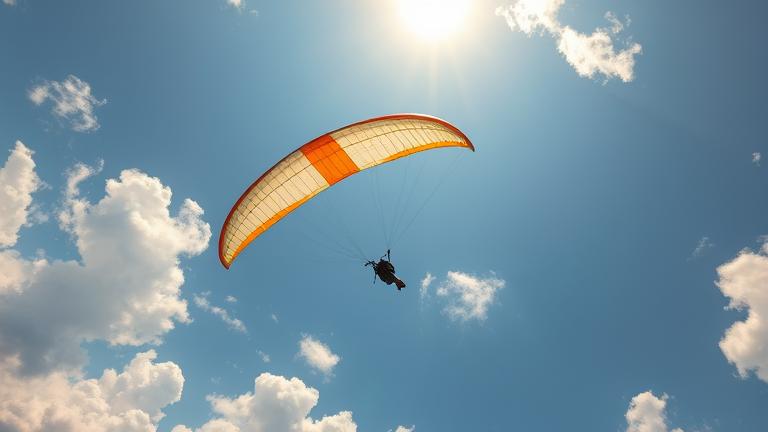
Master thermals with 5 key tips. Stay safe in the skies.
Thermals are a fact of life for skydivers, and learning to deal with them is crucial for safe and enjoyable jumps. Whether you're a student or an experienced jumper, thermals can be unpredictable and require a combination of knowledge, skill, and caution to navigate. In this guide, we'll cover the basics of thermals, how to recognize them, and most importantly, how to stay safe when flying through them. With over 3,000 jumps under my belt, I've had my fair share of thermal encounters, and I'm excited to share my expertise with you.
Understanding Thermals
Thermals are columns of rising air that can be found near mountains, hills, and other areas where the sun heats the ground unevenly. They can be narrow and intense or broad and weak, but they all have one thing in common: they can affect your wing's performance and your overall jump experience. When you fly into a thermal, your wing will start to climb, and if you're not prepared, you can find yourself in an unintended spin or stall. To avoid this, it's essential to recognize the signs of a thermal, including turbulence, lift, and changing air pressure.
Recognizing Thermals
Recognizing thermals is a skill that takes time and practice to develop. Here are some common signs to look out for:
- Changes in air pressure, which can cause your ears to pop or your suit to inflate
- Turbulence, which can range from mild bumps to intense shaking
- Lift, which can cause your wing to climb or your descent rate to slow down
- Visually, thermals can appear as clouds, dust devils, or areas of disturbed air
When you recognize a thermal, stay calm and assess the situation. If you're flying a high-wing-loading wing, such as a PD Velocity or a Performance Designs Katana, you may need to take extra precautions to avoid an unintended spin or stall.
Navigating Thermals
Navigating thermals requires a combination of knowledge, skill, and caution. Here's a step-by-step guide to help you navigate thermals safely:
- Before entering a thermal, make sure you're aware of your surroundings, including the location of other jumpers, the terrain, and any potential hazards
- Enter the thermal slowly and cautiously, keeping a close eye on your wing's performance and your descent rate
- Use toggle input to control your wing's climb and descent rate, and be prepared to make adjustments as needed
- Monitor your wing's performance and your surroundings, and be prepared to exit the thermal if you encounter any turbulence or instability
- After exiting the thermal, take a moment to assess your situation and make any necessary adjustments to your flight plan
Remember, safety is always your top priority when navigating thermals. If you're unsure or uncomfortable, it's always best to err on the side of caution and avoid the thermal altogether.
Emergency Procedures
In the unlikely event of an emergency, it's essential to know how to respond. If you encounter a strong thermal that causes your wing to stall or spin, follow established emergency procedures, including:
- Releasing the brakes and allowing the wing to recover
- Using the risers to control the wing's descent rate and direction
- Deploying the reserve parachute if necessary, using a BOC (bottom of container) deployment system
Remember, practice makes perfect, so make sure to practice your emergency procedures regularly and stay current with the latest techniques and protocols.
In conclusion, dealing with thermals requires a combination of knowledge, skill, and caution. By understanding thermals, recognizing the signs, and navigating them safely, you can minimize the risks and maximize the enjoyment of your jumps. Here are four concrete takeaways to keep in mind:
- Always be aware of your surroundings and the potential for thermals
- Use toggle input to control your wing's climb and descent rate
- Monitor your wing's performance and your surroundings, and be prepared to exit the thermal if necessary
- Practice your emergency procedures regularly to stay current and confident
With these tips and techniques, you'll be well on your way to becoming a thermal-master, and you'll be able to enjoy the thrill of flying through these powerful columns of rising air with confidence and precision.
Every listing on HornyGorilla comes with a certified rigger inspection report. No surprises. No risk.
Browse Listings →